
WEBINAR ON-DEMAND
How to Craft Your Perfect Retail Tech Stack
Future-proof your business with modern commerce.
The era of all-in-one platforms is over. Now, retail success depends on integrating a blend of best-in-class technologies to thrive. As customers and stakeholders expect agility and innovation, how can you meet these expectations efficiently without stumbling into complexity?
Explore a customer-centric approach to navigating digital transformation in retail. This session is your guide to boosting efficiency, enhancing customer experience, and driving profitability through strategic planning.
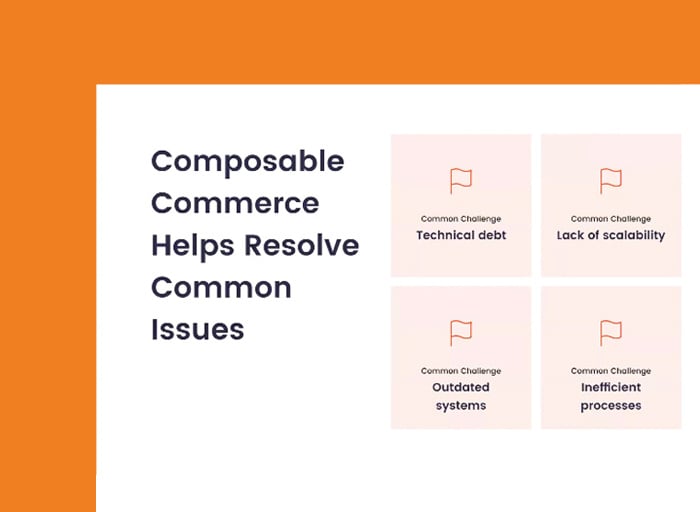
You will learn to:
- Utilize tech enhancements for a flexible digital approach.
- Integrate modular tools to meet your unique needs.
- Gradually upgrade your systems for continuous improvement.
- Debunk myths about modular strategies and understand their simplicity.
- Distinguish credible vendors from the pretenders in a crowded market.
Show Transcript
00:00:00:00 - 00:00:26:29
Tori (Online Retail Today)
Welcome, everyone, and thank you for joining us for How to Craft Your Perfect Retail Tech Stack, presented by Online Retail Today and sponsored by **Orium**. And I’m Tori, the webinar coordinator for Online Retail Today. And I'm excited to bring you this fresh session with a customer centric approach to navigating digital transformation in retail.
00:00:27:01 - 00:00:44:15
I'm really looking forward to hearing from Jason Cottrell and Brian Walker, and I'm sure will be a valuable discussion. Just so you know, we will be recording today's session in case you need to leave early. If you happen to miss any part of today's webinar, you can go to the registration page to access the recording. We’re going to send that link in the chat right now.
00:00:44:17 - 00:01:10:28
Up next. Before we go any further, I want to thank Orium for sponsoring this webinar and helping us to make this happen. Orium is North America's leading composable commerce consultancy and system integrator. They specialize in composable commerce, customer data, and retail platform engineering. So thanks again. Up next. Let's get some technical things out of the way.
00:01:11:00 - 00:01:32:04
Please don't hesitate to ask questions during today's event. You can do so by submitting your questions into the Q&A panel found in the bottom bar of the webinar window. Great questions make for a great webinar. So don't forget to stick around for the Q&A session at the end of the hour. The chat is also available for open discussion, but please know we will be using the Q&A panel for your specific questions.
00:01:32:06 - 00:01:50:17
My wonderful colleague Tara will be fielding your questions today. She'll be happy to answer anything technical you might have. So feel free to pull up the Q&A panel, say hello and let her know that you're listening. Closed captioning is available for this webinar. To enable this feature, select the “More” button in the bottom bar of the webinar window and select the captions option.
00:01:50:19 - 00:02:08:02
Lastly, if you have any audio issues during today's presentation, you may choose to dial in by phone. All dial-in information can be found in your webinar confirmation email from Zoom. This information is also up on the screen and Tara can relay it to you at any point if you need it. Up next.
00:02:08:04 - 00:02:27:29
I can say I'm really excited to hear from our two panelists, Jason Cottrell, CEO and founder of Orium, and Brian Walker, founder and principal analyst at Cocktails and Commerce and co-founder of strategy M. So, without further ado, I'm going to pass it over to our speakers. Perfect. Thank you so much. And thanks, everybody, for taking the time today.
00:02:28:15 - 00:02:46:05
A little bit of background on the genesis for the session today. You know, I think both Brian and I, we've been chatting on, you know, a lot of the conversations we've been having over the last year. And, you know, a lot of what came back was there's all these buzzwords floating around and there are things changing in the market.
00:02:46:19 - 00:03:02:07
But that a lot of brands really felt kind of disconnected from it. They didn't see how it applied to them. But that when, you know, Brian and I would ask a few questions, we'd realize often, actually what they were looking to do, or what they were already doing, were very aligned. Maybe they were worried.
00:03:02:07 - 00:03:27:21
You asking me? More complicated than they thought. Things that maybe got simpler. Maybe there's common patterns that other brands have already. You know, we've already seen them go down that path. So we actually put together a white paper, a resource, the, you know, pragmatic guide to what we call composable, but really trying to cut through to a plain language version of what's happening in the market and really grounding it in the precious brand space and how they're responding.
00:03:28:18 - 00:03:45:13
Now, Brian, if if anybody subscribes to his email newsletter, I think that like to be pretty pretty, to the point, in cutting through jargon. Now, Brian, you know, I hope you don't mind. I pulled a quote of yours in here. Just to pick on you a bit, but I think it is a good grounding for this session.
00:03:45:13 - 00:04:07:18
I mean, ultimately, none of this should be happening for technology's sake. This all really needs to be rooted in two things. And you call out here. You know, just how fast things are changing for most brands and consumer expectations, their competitors. And then there's pressure to respond to this and to differentiate, sustain, share and grow.
00:04:08:14 - 00:04:29:21
And some brands, you know, maybe have simpler operations but need to do that. Some have more complex operations but need to do that. But these pressures really stay true. But I'd love to hear kind of maybe. Brian, I'll pass to you for a moment here, like when you're describing when you're actually what you're hearing from from customers, from brands, from, subscribers.
00:04:30:05 - 00:04:59:26
How are they describing the pressure they're facing in 2024? Well, first of all, Jason, and the, the team at online retail today, thank you for having me on. And Jason was great to have an opportunity to to look over the whitepaper and contribute to forward. So thank you for that. And, you know, to answer your question, look, you know, steady drumbeat, of growth in, in, in certainly online retail and omnichannel.
00:04:59:27 - 00:05:30:28
Right. And now, of course, every business is really, you know, faced with, you know, challenges to drive growth and continue to engage and to differentiate, you know, their brands and their offerings online. Certainly the macro picture shows a steady growth in online retail. And it's important to realize that, you know, as a percentage of total retail sales, e-commerce continues to drive, you know, increased share and is outpacing overall retail in North America and in Europe in terms of growth.
00:05:30:29 - 00:05:53:02
So while there is a sort of, you know, talk track that out there in the market that this is now very mature, that, you know, we've we've really kind of reached the point of kind of slower growth overall in online retail. The reality is this is where, you know, growth, is occurring in the overarching kind of retail market.
00:05:53:05 - 00:06:26:06
It's also really important to realize that the that really the way in which you're reaching customers, driving demand, increasing engagement, no matter which channel that customers ultimately going to work with you in convert in the digital channels naturally are are critical, right. And and and that just really necessitates then further investment in how you, how you, engage the customer through your digital channels, the content you're using, how you're driving your assortment.
00:06:26:08 - 00:06:53:11
And naturally, there's a whole numerous set of capabilities that that the customer expects are there to enable them to, you know, discover and research product and buy with confidence. And then for you as a business to do that efficiently and effectively and ultimately serve the customer so that you can gain a repeat visit and a repeat purchase from the customer, which we also know naturally is the path to profitability.
00:06:53:12 - 00:07:21:10
You can't afford to continuously reacquire these customers. You need to be able to serve them effectively and and drive some degree of customer loyalty and repeat purchase in order to drive profitability. So those are all the kind of pressures and tension that, everyone in the business is facing. And all at the same time, you know, they're they're on a platform, you know, they may be on their third or fourth platform.
00:07:21:12 - 00:07:47:13
They've integrated that platform into their back end systems and so on, and their business processes and operations are naturally, kind of, you know, organically developed around that, how they, how they, you know, you know, do their, their new product introductions, how they're managing their merchandizing, how they're all right, driving their assortments, driving their sales activities through these channels.
00:07:47:15 - 00:08:17:13
And we're really at a point in the market, in part because of the macro pressures on retailers and brands where people are not particularly keen to replatform. Right. They're looking for ways to enhance, their customer experience, deliver on the various expectations and to, to be more efficient as a business. And that's really what's behind now, this sort of rise in the term composable commerce that we're going to get into and explore further.
00:08:17:15 - 00:08:38:29
I like it. And, you know, I, I do note to we'll talk to brands where, you know, it's single channel and e-commerce. But what I always find is an interesting supplement to a diagram like this is when you start thinking about, you know, we'll see brands where there's portion of e-commerce that's actually, fulfilled online to store or with store in conjunction.
00:08:38:29 - 00:09:06:09
And a customer is facing across multiple channels. You know, I think sites like this sometimes, often, often miss that dynamic, which adds a powerful element, but also some, some complexity to deal with. Or whether it's, it's retail in conjunction with wholesale. Mean we see so many customers where they're also running a wholesale group. And then if you just even reflect to on the variety of channels that everyone's operating naturally, web and mobile, but also social channels and so on.
00:09:06:09 - 00:09:36:09
And then certainly for brands who have a wholesale dimension to their business, customers may actually be, you know, trying to go through that branded site, but they may end up converting even through a retail partner. Right. So by nature today it's complex and it's omni channel even for relatively small businesses, but certainly for for businesses in the 25 to 200 million and online revenue and more, there's a lot of complexity there and a lot of moving parts.
00:09:36:11 - 00:09:57:24
So you you said a magic word composable. And I think we'll try to keep this to the only buzzword of the session, but only because we're going to pick on it a little bit. So, you know, composable it, a term Gartner had kind of introduced or kind of put some weight behind back in 2020. There are a number of providers, that now have adopted this language.
00:09:57:25 - 00:10:16:00
You know, if anybody's been to industry conferences this year, it it's tough to escape as a concept. But maybe you could give a little bit of background, like, what's the plainest language way that that you try to explain it. We can give some examples later. But you know, how how do you start introducing the concept and what it's evolved from?
00:10:16:02 - 00:10:39:22
Yeah, Gartner kind of coined the term composable commerce, building on, kind of a larger concept within kind of IT architectures. And application space, composable, you know, business applications. But, you know, kind of has applies to composable commerce. I think, first of all, it's important to realize, like, this is not really new. It might be a relatively new term.
00:10:39:22 - 00:11:02:07
You may not be particularly, you know, familiar with, you know, up until a few years ago, but really, since e-commerce really began to develop, you know, many years ago now, people were taking you know, the capabilities of a, of a commerce platform that they may have launched their business on and started to, different, what you might call best of breed capabilities to it.
00:11:02:07 - 00:11:26:14
And maybe the most natural example would be something like search, where someone may have taken, you know, the, the search solution from the commerce platform and replaced it with the best of breed, you know, search provider, right back in the day, maybe that was in Deca from, you know, which later was acquired by Oracle. And there's many, many, many, solutions that have kind of, you know, come and gone, if you will.
00:11:27:00 - 00:12:05:08
And there's a lot of other capabilities that we're also, you know, involved in serving the customer or involved in obviously helping the businesses merchandise and run their businesses. But over time, you know, these solutions have all migrated to SaaS offerings with APIs attached to them. And in a sense, composable commerce is really just a way for us to now talk about the wide variety of different solutions in our market, not just commerce platforms, but all the different capabilities needed to, again, drive the experience or drive the back end or enable the Merchandizers and marketers to be effective in what they're trying to accomplish.
00:12:05:10 - 00:12:40:03
And it's a reflective of the fact that, you know, we've we've now standardized around a set of assess, you know, sort of approaches with an API. First, means in which these solutions are typically delivered and integrating those into your sites, and your mobile applications and so on has become increasingly easier. I don't want to say it's always easy, but certainly, you know, it's become a lot easier to then mix and match different solutions and integrate them more, more effectively, more easily, and run them in the cloud.
00:12:40:03 - 00:13:06:28
And so maybe in the plainest language I can describe, it's about bringing in different various solutions, some of them with a very discrete set of capabilities to complement what you're already doing naturally. There's also an opportunity for for businesses to think about more of a wholesale replacement of their commerce tech stacks, with a set of composable solutions all at once, if you will, in a larger project.
00:13:07:01 - 00:13:37:04
But that really we we don't really want to confuse what we're talking about here today with that. We want to think about different ways for you to to combine best of breed solutions again, more effectively, more easily, to bring the benefits you're trying to realize, right? Which is again, serving the customer more contextually, more effectively and naturally, various back end capabilities, whether that's order management or product information management or content management needed to drive your your business more effectively.
00:13:37:06 - 00:13:57:05
I like that, and that is a common conversation that I end up having. As someone says, you know what's composable commerce? I'm not sure if it's for me. And you know, as well, you know, I think, you know, I'm aware that you've already you're using external. You know, that search CMS, you've installed the pure already composable, you already composable.
00:13:57:08 - 00:14:15:23
And and so it's just I think, you know, adding that term the last few years and some of the market pressure customers are saying really putting a pressure on vendors now, saying you have to make this easier. You need to work together more seamlessly, and you need to make architecture choices on my behalf that allow us to plug and play better.
00:14:15:25 - 00:14:38:24
And and some vendors are better at that than others. But but the market pressure is decidedly on the vendors to to get great at this. Absolutely. And so if we maybe were to put more of a visual behind it, you know, you kind of almost get a progression over time here. Brian, but I'd love to hear you kind of describe how this is evolved.
00:14:39:02 - 00:15:07:01
Yeah. I mean, the term monolithic is really meant to describe, like an application where everything, in a sense is a part of that application. So that's obviously here on the left hand side, as I said earlier, you know, the reality is there weren't that many cases where businesses were truly only running what came quote unquote, with or out of the box with their monolithic, you know, platforms.
00:15:07:26 - 00:15:34:23
So in a sense, really since the beginning, there were various different solutions often, you know, complementing those platforms. So in a sense, you would say that was composable. Naturally, you know, because those monolithic platforms tended to have very proprietary, architectures, in some cases, even very proprietary means of doing you know, web serving and caching and a whole host of different things.
00:15:34:25 - 00:16:06:08
And of course, they were coded in, in Java and, you know, various PHP and languages that required some specialization. Naturally, it was more costly and more complex when you wanted to bring in a third party solution. And, you know, one of the things that people would often point to is the need to regression test. Every time you made, changes to accommodate, you know, whether it's an upgrade or whether it's a new solution or replacing a solution within your quote unquote, monolithic platform.
00:16:06:10 - 00:16:30:23
Many of you probably have lived through that pain, in your career at some point in time, maybe you're still experiencing some of those challenges. If your business is on a so-called legacy or monolithic platform, things like ATG and Hybris and others. But as I said before, composable commerce has sort of been an aspect to that, since really the beginning.
00:16:30:25 - 00:17:00:20
And then of course, the move toward headless is really taking the front end off and enabling more flexibility in how you're delivering your core commerce capability. You may still have been running some of that off of your legacy monolithic stack, or starting to bring in and blend in other solutions. And of course, it was really mobile. That led people to want to separate the presentation layer and be able to make more rapid change, whether it's the content or the, you know, the the layout of your sites.
00:17:01:14 - 00:17:40:23
And headless was really a nice step forward, which really began, you know, a dozen to ten years ago, really becoming more and more critical again with really the the rise of mobile, as being a key driver. And then fast forward to today, really, where we're talking about a more discrete set of capabilities coming together again at times complementing some of your legacy solutions, which may, in a sense, have shrunk in terms of the functional capability that you're relying on them, for or bringing in, more contemporary solutions to replace some of those capabilities, including cart and checkout.
00:17:40:23 - 00:18:12:16
And many of these other, areas that you see there. And now leveraging, really a standardized approach to how things are delivered by API leveraging integration frameworks and patterns and applications to help facilitate, integration of these various solutions. It's become a lot easier, in order to, to drive kind of the agility and flexibility and the capabilities needed to run a contemporary, you know, commerce, business of any reasonable scale.
00:18:12:18 - 00:18:45:22
And certainly, you know, we still have more to, to, to, to, in a sense, evolve here. It's not to suggest that we're at the end. In fact, it may never really end right, making this easier and easier with a more productized solutions. And partners having a lot of, of, you know, practice at the spring best practices together in terms of the right architectural approaches and strategies and improving how businesses can support and evolve these kinds of applications over time.
00:18:45:24 - 00:19:27:12
But really, it's in the last two, 3 to 5 years where we've really seen a pretty meaningful step change. And composable has really become something, you know, pretty widely discussed, certainly in the commerce tech market overall. But, you know, customers as well, really leaning in and thinking about this as a key strategy for them. And as you can see from all the variety of different touchpoints, they're illustrated under the composable box, the pressure to enable you to, you know, serve customers and experiment with some of these channels, many of which may still be emerging, things like conversational commerce certainly is still a point of evolution.
00:19:27:12 - 00:19:56:20
We are not yet there in terms of mass adoption, but that's just another sort of example of how fast things may continue to change and why something like a composable commerce technology strategy is really important to enable you to take advantage, experiment and adapt, as the the ways in which customers engage and buy continues to evolve. I like that and, you know, I, I like to look at you look at how that diagrams progressing.
00:19:57:10 - 00:20:19:09
And, you know, as brands, the last few years have been responding to more channels, complexity in their business, new form factors, and bringing on point solutions to compete in the market. You know, it used to be a lot of custom code. If you go back just a few years, a lot of these systems really weren't necessarily built to work together.
00:20:19:16 - 00:20:47:15
Well, there was technology that was product strategy. That was how they went to market. But you know what? We'll what we're finding is in more modern approaches, in particular in the last 12 months to 24 months, it really starts to the more productized approaches, it starts to reduce custom code and technical debt. So we see brands placing investment there, and we see brands starting to look at, you know, outdated systems that were maybe designed 10 or 15 years ago.
00:20:47:15 - 00:21:13:10
They're they're finding the new breed, offer significant performance gains for end customer. You know, they unlock new capabilities for customers. You're now getting often cloud native solutions. So the scalability built into them, is superior. And the performance built into them and even the degree security is superior. And then just, you know, as they've added more options, the processes start to break up, the business processes become a challenge.
00:21:13:10 - 00:21:32:05
And the new breed of vendor often keeps in mind that it knows it's working is one of many, but, you know, maybe we'll get into a little bit, you know, one of the things we, we, we hear sometimes is I'm worried that as I'm adding these new, I want to add these capabilities, but I'm worried. It's hard, I'm worried it's risky.
00:21:32:08 - 00:21:56:11
And that in particular is what we've observed. I think, Brian, the commerce industry, and it's collective surrounding and APM, CMS, front end, like all the associated providers. Really changing that in recent years. And I think that's a key focus in the, in the white paper. But hey, this is tough to do. But I think the reality is that's changed.
00:21:56:11 - 00:22:15:03
I know we want to touch on that a little bit. I think I'd just add. Could I just add something? Jason, there. I think I think the, the reality is that your business processes will change and evolve. You may your organization and your team is used to working a certain way. Maybe it's not optimal, but they're kind of comfortable.
00:22:15:17 - 00:22:51:15
It is. It is worth realizing that a move toward composable, whether it's even replacing certain capabilities within your existing stack or a more profound evolution and change will change how they work. That does not necessarily mean it's more complicated, but it will change how they work. And one of the ways I think, you know, you know, businesses can get a better sense for that, not only talking to peers out in the market who've made some of these transitions, but also look at things like kiosks and make sure that they're really do understand the the ways in which the business user tooling and other things may change.
00:22:51:18 - 00:23:24:25
And also recognize that, yeah, a lot of this is really driven by the API, including the business user tooling, and this is another opportunity for their partner to help them streamline how they might work with these different solutions. Again, leveraging the API. So there's a couple different aspects there to look at. Maybe we'll you know, I think there's a great infographic in the in the white paper on just kind of misconceptions, things that have changed because many of these were very true three, five years ago started changing 2 or 3 years ago.
00:23:25:25 - 00:23:54:19
And now it's essentially, I'm sure you could, you could do it a way that these, you know, that some of these challenges apply, but they don't have to if you know where to start. And so maybe I'll pick on two here, and get you to, so, you know, maybe sometimes just the notion of, that, you know, operating more than one vendor or more than 1 or 2 vendors, is complex or requires a lot of tech savvy.
00:23:54:19 - 00:24:22:04
But that's been changing, and I I'd love to have you touch on just things that the market's been doing. Vendors have been doing to make that much more turnkey and starts frankly, within surely even just the procurement process, you know, vendors are really starting to normalize and kind of standardize terms and conditions, SLOs, things like that, to make sure that it's easier for you as a buyer to work with a variety of different vendors.
00:24:22:04 - 00:24:42:24
I think, you know, organizations like the MACH Alliance, for example, have been helping really drive some of that change. So to really even just kind of start some procurement, monitoring technologies are in place now for you to better and more effectively monitor, you know, the performance of all these different applications, within the stack as well.
00:24:42:26 - 00:25:08:24
So you feel like you, you have greater control, you know, and with a relatively small internal development team, you know, you can monitor and manage that. And of course, the partner, again, the systems integrator that you're working with also, has services to help help support that. So as you're working with a variety of different, you know, vendors, it is true, though, as I said before, you've probably already working with a wide variety of different vendors.
00:25:08:24 - 00:25:34:15
And so it's not necessarily true that this is going to add a lot more complexity, to, to how you run and manage your business. But you do have to be thoughtful about think about how you're going to set that up, monitor it and manage it over time, to ensure that, you know, the end customer experience is what you need, and then you're able to, again, you know, make good architectural choices to when you implement these things, to, to preserve flexibility.
00:25:34:15 - 00:25:56:20
So if in the end, you decide, you know, you want to try a different solution provider for a specific capability, well, you know, be able to to test that solution within your live environment, and actually get, you know, a better understanding before you may want to make a more subtle change. So those are just a couple of thoughts in terms of how it's how it's gotten easier.
00:25:56:22 - 00:26:21:00
And certainly architecturally, you know, now, you know, calling these various APIs within it from your front end or through your integration layer again, has become a lot easier. Almost all of these solutions now are event based, event driven solutions. And it's really about ensuring, you know, that you're integrating them effectively up front. But the patterns are, well understood, at this stage.
00:26:21:00 - 00:26:43:12
And so a lot of the complexity and challenge has been in the sense productized away, and, and the size and vendors who have a lot of experience in this space also, you know, have experience implementing these solutions in a repeatable fashion. And so a lot of the, the risk has been, in a sense, removed from, from the equation.
00:26:43:14 - 00:27:00:24
Okay. I think that's that's fair, I guess. Speaking as an aside, you know, it's interesting. The thing I would say is, I think one of the things that's made a huge difference is there's less work for the size to have to do. You know, most of the major, like, search with the modern commerce vendors on the market.
00:27:00:26 - 00:27:17:29
It's been done in every combination. If someone comes in and says, we're going to do this as a custom thing or write code for this, they're probably doing it wrong, right? In many cases, it's one click or it's all product ties between the two vendors. It should take, you know, the the actual integration should not take time.
00:27:17:29 - 00:27:36:19
It's getting maybe your data enabling your teams. There's other things to do, but it's not. It's not about getting the code right. And yeah, it should shouldn't be any more. I think that's very, very, very good point. It's less about the technical integration and more about preparing for the integration. Right. And data often is and has been for a long time the.
00:27:36:19 - 00:28:07:29
Gotcha. Right. And it doesn't change necessarily, with composable versus maybe a more legacy approach. It's still a challenge. So planning for it. Right. At the end of the day, your, your customer experience, customer experience, naturally is going to benefit from having a great foundation around product and customer data. Primarily, I like to, a common question that that we get is in and around, just, hey, what do I do next?
00:28:07:29 - 00:28:28:05
Like what? What's the next thing that we prioritize? And here I, I know we're probably not in the right space or we've added a few vendors. We've taken 3 or 4 steps. It seems hard the way we did it five years ago. We're we're on the commerce system we have that was architected 14 years ago.
00:28:29:10 - 00:28:49:06
And we want to change. But where do I start? And and one of the things that that maybe we could turn to a touch on now that rarely actually should be a wholesale replatform. Right. I need some of that comes in to that pragmatic nature. It's often done in multiple steps, and you can do that now.
00:28:49:26 - 00:29:11:06
So maybe thinking with that customer first lens, we'll keep that in mind for the next few slides. Maybe we could you could touch on a little bit, but I like what you're hearing from brands. What you're hearing from vendors in terms of patterns on where customers are investing in 2024. Yeah, sort of three key areas.
00:29:11:06 - 00:29:55:28
And I think we could say are kind of driving kind of, you know, the most interest right now when it comes to, kind of composable solutions to enhance their current environment. One is order management. You know, many businesses now, again, faced with a more complex environment that they're trying to fulfill, customers, orders through, including leveraging their stores, naturally, but leveraging dropship, you know, third party fulfillment vendors, maybe even leveraging, stock that they might put, in, in an Amazon warehouse that they might be using primarily to, to serve the Amazon channel, you know, through, through Prime and so on.
00:29:55:28 - 00:30:17:24
But they want to tap into that, leverage that as needed, for their other channels as well. So that complex sort of, you know, order management environment, again, kind of emerging out of the pandemic, but also as a key to key, point of differentiation and a key point of delivering a customers expectations. The second search, right?
00:30:17:24 - 00:30:42:01
Search is, of course, critical. And there's a natural evolution in how customers are searching. That makes it more and more important for for businesses to have, you know, a high quality, search and search and sizing solution to ensure that customers are able to discover and find product and content that's relevant to them. Right, and what they're trying to accomplish.
00:30:42:01 - 00:31:06:27
And naturally, the larger the assortment, the larger the site, the more important search becomes. But merchandizing and other ways in which these solutions enable product discovery, even for for smaller brands, is really critical and is voice based. And conversational experiences become more and more prevalent. And so I think we're all eager to see how that's going to evolve.
00:31:07:21 - 00:31:23:24
Naturally. Search was a key one. And then the third, I would say that personalization would you and I would say the most plain language, one which we don't take for granted sometimes, is my customers actually, finally are finding the thing that they're looking for, right? Sometimes it's a very basic bar. Yes. Yeah. Sorry. I'll let you keep going.
00:31:23:25 - 00:31:48:18
Exactly. No. And then the third is, is personalization. And there's a lot of different dimensions to enabling personalization, whether you're talking about, you know, getting a better handle on your customer data so that you can do more effective segmentation and personalization across your marketing channels and your site experience, or it's personalization tools that are playing out through your sites, your applications, and your marketing channels.
00:31:49:01 - 00:32:15:09
So those are really the three, I think, that are that are most top of mind. But it really comes down to what are your challenges as a business, you know, where where are you trying to uncover some operational efficiencies? How might you want to leverage generative AI also to help increase some of that efficiency? And then naturally, you know, serving the customer and meeting their expectations.
00:32:15:12 - 00:32:41:29
And when I say meeting expectations, that's not really about differentiation, right. But naturally there's also opportunities for businesses to more effectively differentiate within the customer experience. So there's a large number of different kinds of solutions that would that would potentially be in play. You know, to, to satisfy those different things. And naturally, every business is going to be faced with a little different set of challenges and opportunities.
00:32:42:01 - 00:33:09:08
And that's part of the beauty of, of, you know, composable becoming easier. Again, I don't want to say it's easy, but easier than ever. So that enables businesses to to find that right path like that. And we give an example in the report filter easy. And you've got the case study mentioned here. You know, they were finding that, you know, for where they were at on their commerce, their products are a little different in how they're merchandised.
00:33:09:16 - 00:33:33:00
The commerce that they were on just didn't quite capture that. And the way that consumers could really discover and comfortably purchase the product, the checkout flow and how they were bringing subscription and upsell in didn't fit. Kind of like it was a slight deviation from the typical mold. So they, you know, they were able to they they rethought commerce, but also did it with, so the BigCommerce or Commerce, they did a new CMS content stack.
00:33:33:08 - 00:33:53:19
But then, you know, kind of invested in at least that merchandizing and early stage of checkout. They could use a more typical cart once you got beyond a certain point in checkout, beyond a certain point. But they really wanted to get that upfront right to make sure they maximize their offer. So they invested that. Yeah. And you know, somebody is just picking those points where you wanted to invest.
00:33:54:10 - 00:34:13:11
What about I guess some of the common ones, maybe I'll call it some of the common ones that we, we will see, like search CMS, front end. So really tailoring that, that merchandizing and product discovery process. Pim, we see a lot of, a lot of companies where, Pim they recognize that we have to get our product data right.
00:34:13:15 - 00:34:35:16
It is a real challenge. It's not scalable how we manage it today, though. Invest in PIM. Maybe they have grown what's in their ERP or custom or in ecommerce today they can get a dedicated PIM. CMS still remains a significant one either not having a CMS, dedicated CMS to manage content and merchandise, or manage content and appropriately tell the story of the brand.
00:34:36:09 - 00:35:09:06
You know, all of those are elements that, you know, will often see investments. The, just to just sort of add their, you know, commerce is somewhat unique, in the sense that, you know, it's very product intensive, naturally, new product being added all the time, you know, very seasonal business, naturally. And so that that sort of intensity around the product and the product catalog and now recognizing that not only is there a base of information, it has to be ready for your digital channels.
00:35:09:06 - 00:35:40:02
There's going to be multiple variations, on that content, naturally. You know, language is a key component of it, but also, you know, channel and brand and how you want to communicate. And, you know, a lot of, opportunities to really, you know, leverage the generative AI tools and so forth to also enable you to communicate product in a way that's more tuned to a specific customer segment that you may be marketing to, in one channel versus another, and so on.
00:35:40:02 - 00:36:19:25
And so that complexity around managing the catalog naturally leads people to think about catalog systems and PIM, enabling them to not just have the base content, you know, ready, you know, for further, which may be in the ERP or maybe supplied from, from a wholesale, you know, vendor that you're, you're purchasing from and so on. But to enable you to sell that effectively across all the different channels you're trying to manage and then content, you know, naturally, very, you know, intensive, and personalization adds to the load, you know, adds to the complexity of driving a, digital business.
00:36:19:25 - 00:36:46:09
And having all the various content for your home pages, landing pages, category pages and so on. And again, the variety of channels that you're marketing to, customers through and serving those customers with naturally adds a lot of pressure, to have an efficient, effective means of managing and publishing content. And, and naturally, there's still a lot of blocking and tackling, out there.
00:36:46:09 - 00:37:15:18
There's still challenges that people have with serving, business, serving their customers effectively with a high, you know, highly responsive site that's fast, that's zippy, that, you know, doesn't have broken images, doesn't have broken links. And shockingly, you know, that still does happen. And if you're if you're a business that has those kinds of challenges, naturally you need to find a means to solve what time right?
00:37:15:21 - 00:37:37:01
This is where, you know, we maybe do get to a degree to, hey, as you start adding some of these capabilities as you're thinking of and bringing in and prioritizing new vendors in the mix, some work better in a composable context than others. We just see that loosely as composable. There are some that are more composable than others.
00:37:38:23 - 00:37:59:13
What do you what do you encourage brands to look for, and what are the the the warning signs, if you will? When kind of maybe short listing that that set of vendors to consider that you really need to look at, how successfully, you know, these different, you know, vendors have delivered in a composable context.
00:37:59:13 - 00:38:26:22
Look for examples, talk to naturally, customers of the DSI partners or the vendors to make sure you've got a really good handle on, you know, the delivery model, the support model, what happens when things don't go well? How do those different vendors respond? Okay. You need to to look at that. You do not absolutely need to validate, you know, the recommendations you're getting around architecture and how this will be implemented and supported and run.
00:38:26:24 - 00:38:54:02
If you don't have those skill sets internally and say, look for an independent to help you validate, the, the process that you're going through, right. Add to your information, to ensure that you feel really comfortable with the path and recognize that, you know, this is a two way road, you as the customer, have got to lean in and be very active in the process, to ensure that you're getting what you need or that you can, of course, correct.
00:38:55:04 - 00:39:18:06
As you go. The other thing I would say is don't try to don't try to boil the ocean. I think starting down this path with more of, a project mindset with the kind of a programmatic approach to how you might be thinking about evolving your commerce stack over a couple of year period of time versus trying to go too big and change too much at once.
00:39:18:15 - 00:39:46:07
That's another recommendation I would add. So it's a programmatic sort of mindset, but you're biting off smaller chunks and taking advantage of, of sort of this composable landscape as you go and, you know, build up your, your, your experience, get the foundations right, especially around, product and customer data and go from there like that. And, you know, I, I would part of what I would say is, you know, so they have to be in the Mark Alliance that helps them out.
00:39:46:07 - 00:40:08:02
Clients does do some certification around whether whether, an ISV, a software provider has the technical foundations that make them more predisposed to be able to work in this context. But I think even more pragmatically, or perhaps equal to that, you know, hey, here's my commerce, here's 2 or 3 other systems. I know I'm keeping.
00:40:09:06 - 00:40:32:23
And tell me five examples of where you've plugged in with them. And if they can't give you that, that should be a worrying sign because these combinations of, like, those who play well in a composable context have done these combinations so many times. You know, where I get worried is, is, I'll see, you know, two of two vendors being used in unique combination for the first time.
00:40:32:29 - 00:40:50:09
And the reason usually we know having worked with both is because they don't work as well in this context. And so either then, you know, if you're going to do that, there's got to be something you got to be just be prepared. It's going to take longer. There's a bit more, there is more risk. So you can set expectations appropriately and set budget appropriately.
00:40:50:09 - 00:41:14:19
So I think that combination have shown me five times used in court. And let me talk to those customers that that goes a long way to, to reduce risk. What about that? You know, sometimes this isn't just looking at systems. I want drop certain, but I want to unlock capabilities. And so, you know, what types of things, maybe a reprioritizing or branch prioritizing their.
00:41:14:22 - 00:41:41:11
You know, we talked to, you know, these are, in a sense, some of the things we already talked about. You know, you could you could say that Bopis and missile dropship, those are different types of capabilities that often are kind of packaged up inside, you know, kind of an order management solution. But there are you know, even specific point solutions out there facilitating something like, you know, in-store client telling or endless, I'll pick, pack, ship and store or drop ship.
00:41:41:26 - 00:42:07:17
But we kind of talked about, you know, you know, kind of order management and why that's an important capability and a naturally, you know, it may be a back end in the sense capability that you're looking to enhance how you can leverage your stores, to deliver on a, on a customer experience, whether it's fulfilling from store, partial post or whether it's bopis and in-store pickup.
00:42:07:20 - 00:42:40:04
So there's a lot of different capabilities there being very specific, I think, on the business process you're looking to deliver on, but then having some flexibility around how you might think about taking advantage of some of these solutions and in a sense, adapting the experience of your store operation. Because if you're just trying to, you know, in a sense, repave the cart paths, of how your stores or even your, your business overall works, that can be a challenge when it comes to leveraging some of these composable solutions.
00:42:40:04 - 00:43:10:08
So you need to maintain some flexibility and be thoughtful about that. And again, talk to other customers of those vendors to understand how their business processes are working against the technology and make sure you feel comfortable that's going to work. We talked about personalization and certainly alternative payment methods. Are there other examples of of, you know, capabilities that can be delivered in a composable way that, that, you know, are becoming a lot easier?
00:43:10:11 - 00:43:30:22
Personalization, of course, is not new, something we've been doing for a long time. But now we see how that's playing out in for example, the marketing channels and better linking your site experiences with how you're marketing and talking to customers, whether that's email or text or through social. Great. And then, you kind of get around to this example too.
00:43:30:22 - 00:43:53:23
There's that offline component to it. And we do give the example, app Group, you know, actually started their more composable journey thinking in store and, and across channels. And so sometimes we'll see those investments online to retail and unlocking your capability or aligning better maybe again with wholesale. So you reduce fragmentation and increase operational efficiency.
00:43:54:08 - 00:44:18:08
But, you know, common investments, we're seeing this year order management as points of inspiration, investments into inventory in terms of that real time visibility. But that often has a process implication that you're talking about. But but those are, you know, often have near not only real gains, and more fulfilled orders, but also kind of clear operational improvements as well.
00:44:18:11 - 00:44:37:18
And we do, we do I mean, the, the the cost of movement, the cost of inventory, right, is one of your greatest, you know, challenges, as a, as a retailer and a brand. So real time inventory visibility not only enhances the customer experience, enabling them where they can to know where they can get this fulfilled and how fast.
00:44:37:21 - 00:44:59:08
But it also enables you to drive inventory turns, and increase your, your margin contribution from the inventory. You have. Terrific. And and I, I know we we want to move over to Q&A and, I see the hosts have put kind of a prompt for Q&A into the, the chat. A few more examples that we do give in the report, and I do encourage everyone to download it.
00:44:59:14 - 00:45:22:13
And you've got Altitude Sports, which is running multiple brands, but really trying to bring that from multiple systems into one. So they drive that efficiency. And they can invest more in cost instead of just keeping every channel in sync. Or spoon flour that was moving from custom and, you know, they, they built everything out and all, everything that really I like to say, you know, it's 20, 24.
00:45:22:13 - 00:45:39:27
Like, you can build your own delivery vans if you really want to, but you don't. In general, you could operate your own last mile delivery, but but you probably don't. These are commodities. And a lot of these services that we're talking about right now are you can buy them from five different places. They're they're commodities. So Spoon Flour wanted to redirect its investments to new things.
00:45:39:27 - 00:46:10:04
More valuable things. Or Harry Rosen. Same. You know, you know, that well, their transformation was during Covid and, and their, their stores were shut down for, for 80% of the one year. And so, you know, really had to invest in that digital channel, and move very quickly. And I think a great example of how quickly you can move, to these new paradigms, but I'll, I'll move over actually then to, to the Q&A, just make sure we have some time for, for questions, from the attendees.
00:46:11:17 - 00:46:20:26
And thank you again, Brian, for for the commentary here this far. And thanks everybody, for, for the time and attention so far. We will pause for questions.
00:46:20:28 - 00:46:41:09
Thank you both for such an informative presentation. Before we dive into the Q&A session, I want to remind everyone that now's the time to get straight from the source insight from our two panelists. Great questions. Contribute to a great webinar, so don't forget to submit your questions! Additionally, we understand if you need to run. Just note today's session is being recorded and will be emailed to you within 48 hours.
00:46:41:11 - 00:47:06:11
If we don't get to your question today, you can connect with our panelistss via the social channels on the screen, and I'll also be in the chat shortly. Okay, so with the remaining time, let's dive into a few questions. This first one comes from Jim. Any tips for vetting vendors? What criteria should we be using to distinguish credible vendors from those that may not deliver on their promises?
00:47:06:14 - 00:47:27:06
Jason, you want to take a first swing at that one? Yeah, I mean, I gave the example earlier on, those reference customers, but in combination, I think often there's the, we asked for references of the vendor, but not in the combination of use. And I think that's where a lot fall down. Might may add on to that.
00:47:27:06 - 00:47:59:15
One would be product. So so that should also be supplemented with and have you do have a productized integration there. Similarly if you don't if they don't or if they have five product ties, innovation, integrations but but not yours, then just you've got to do more diligence then, I think it's just a shift from a reuse, reuse to due diligence on the vendor in isolation, but it's it's got to be in combination with the other players that are in your composable stack.
00:47:59:17 - 00:48:29:01
And I would say, you really dig into, how well documented the solutions and the integrations are. You know, even if you're going to rely on an a partner to help support your implementation, make sure you really understand the resources available to you. On an ongoing way, the documentation, the forums, the the, you know, both for business users and for the development team, who are going to be involved in, in either implementing or supporting a solution.
00:48:29:03 - 00:48:49:22
And, you know, lastly, look, it's really easy. And this isn't necessarily just true for composable, but it's really easy to, you know, rely on procurement tools like RFPs and things like this to try to normalize the process, but realize that at the end of the day, you're going to be working, most likely with people when you need additional help or support or to solve a problem.
00:48:49:22 - 00:49:24:12
So make sure you really get an opportunity to talk to, customers and talk to the customer support teams of the vendors that you're going to work with and they are very comfortable with, with, you know, that they have your back, right, that you have access to great talent and people who can help you move fast, solve problems, revolt, resolve challenges, realize that you're still buying software from people, and don't try to normalize everything out in a process that relies on something like an RFP.
00:49:24:14 - 00:49:48:21
This next question comes from Monica. How can we effectively balance the need for agility and innovation with the risk of overcomplicating our tech stack? I think that's a really good question. And so I'd say it has to be, you know, these changes have to be in service of the customer experience, in service of improving how you run and manage the business.
00:49:48:23 - 00:50:14:13
And, you know, make sure you're really thoughtful about what will really move the needle and make a difference versus maybe trying to buy into a complex, composable stack, because that seems like the technical, technically elegant approach someone might be advocating for. So I think you do want to kind of ground your decisions on and, you know, what is going to deliver the most benefit.
00:50:14:14 - 00:50:48:13
What is the business case, you know, what is it that you're trying to accomplish? And again, recognize that you don't have to do this in one fell swoop. You may want to really think about composable solutions to complement your existing environment. Take some of the risk out, build some wins, build some, best practices in terms of how you go about and approach this and, you know, make sure that you're really thinking about a key partner to help advise around architectural choices and helping to make your enable your team to move quickly.
00:50:49:27 - 00:51:23:22
So build on success versus trying to to go for a complex implementation upfront. I would, I would echo that in that, you know, I think what, what's changed over the last few years is, is to there were a lot of ways that composable, maybe was a struggle with vendors that weren't quite a fit for it. We had this new breed of vendors that came in, and that's all they all they did was search or Pim and, you know, they they specialized in being relatively easily integrated, but you still have to stitch them together.
00:51:23:24 - 00:51:55:18
There's a lot of middle zone now, where a lot of the older vendors or many of the prior breed have evolved. They do integrate, some of them do integrate a bit better now. And some of the new ones, they package themselves up more, but all that means that ideally, I think you can sit down and look at your your vendors in your ecosystem and start to bring it down and say, like, if I reduced this by a third or a half by relying on some vendors to do a couple things, what would the gain be?
00:51:55:18 - 00:52:17:27
What would what would the loss be? But I think trying to take that moment to simplify, and and see, you know, are we okay with that? Could we do the rest next year? So I think that exercise is important. It's it's ideally not just the, the some big complicated diagram someone puts in front and says this is best to take take that moment to.
00:52:17:29 - 00:52:43:26
It's also true depending on your situation you may you may think, well I do need to make a maybe a more substantial change in my core platform at some point in time. Right? This may be three years out. It could be could be sooner. You can also think about making the making choices and the composable solutions you're implementing now that will actually make the transition easier downstream.
00:52:43:28 - 00:53:12:06
Right. So you may be integrating, CMS or a catalog system or order management or other things into your existing environment now. But then when it comes time to maybe make a fundamental change and say, a core commerce capability downstream, you may actually have found that you can make that change that transition, in a way that's less risky, because you're not changing all of your business processes at once.
00:53:12:06 - 00:53:44:29
You're not changing all of the integrations required at once. You minimize the bigger step later and actually made it, more palatable, and more predictable. And, and so you can think about this as a journey, and you could end up, you know, really laying out a roadmap that takes risk and, and creates a more predictable path for you and minimizes steps that might otherwise be quite big, that you want to take later.
00:53:45:02 - 00:54:11:12
The, maybe building on that, you know, a notion that we try to always get to and, you know, after a few steps, ideally we're getting to a point where, you know, a replatform shouldn't be something a brand should ever have to do again. Right? Because we you do have vendors in place where, they're SaaS based, so you don't have to do big platform upgrades the same way, or major version upgrades.
00:54:11:19 - 00:54:30:04
But also, yes, every like Brian, as you described, like, you know, often by the time you've taken a few steps here, the, the commerce bit or the CMS bit or like each bit is actually only 15 or 20%. So you start to get to this as long as you thought intelligently about how it all comes together. And there is still a bit of a skill to get that right.
00:54:30:17 - 00:54:54:19
Now you're in a zone of curation, which means any risk of future changes in the time for future changes has dropped dramatically. You know, these things then need to take years anymore. They can be weeks to months. So I think that thinking about that, that concept of curation, that that's an end state we want to be at in a year or two, will then serve you well long term.
00:54:54:21 - 00:55:10:08
Okay. It looks like we have time for 1 or 2 questions here. We have a great question coming in from Katy. What are some common pitfalls retailers face when upgrading their systems incrementally, and how can these be avoided?
00:55:10:11 - 00:55:40:10
So Jason, this is something you face all the time. Yes. So so that is where, and some of it comes from the hey, have you seen these these vendors in combination? You know, there are still commerce, CMS search and other providers on the market who, who don't work well in a composable context or maybe you're on an older version that didn't work as well.
00:55:41:01 - 00:56:08:15
So maybe they've got examples of the search vendor and your e-commerce vendor, but it's, you know, two versions, more recent, but I think there's sometimes a concept that, that, that, oh, how hard can it be? And APIs or APIs. Right. And so, but often it's not a 10% more difficult thing. It's, double or triple or just can't be done.
00:56:08:15 - 00:56:34:04
So I think that that is where, you know, two things is, is just really making sure for your version that combination exists because that's what can really lead to stakeholder disappointment. Budget overrun. You really just you don't want the first steps down this path to be a negative experience. That is sometimes where, you know, we do find then that, you know, brands might take a step or two.
00:56:34:05 - 00:56:58:05
They're willing to spend a bit more time on that, but then eventually realize they need to replace their commerce core or some of how all of this is being put together, because it's just they're just going to be so much faster and everything else and so much more performant on everything else. Something else a that, it's not really unique per se to composable, but I think we need to put it in this, in this frame, naturally.
00:56:58:05 - 00:57:23:13
But, you know, it really comes down to scope management at the end of the day. So that's true no matter what sort of technology transformation you're trying to drive, whether it's a specific capability or something larger. And in the case of a relatively mature set of channels and a business, digital business that you're driving now, there's ways in which you've done things in the past that you may say, well, this is how we do it.
00:57:23:17 - 00:57:49:26
This is how it works today. And you're looking to adapt a solution into your existing way of working, your business processes and so on. And that will introduce risk. It'll introduce, you know, scope change and customization that might, you know, you know, end up really impacting your timelines and naturally, your costs, of driving this kind of transformation.
00:57:49:26 - 00:58:17:05
So when you're evaluating solutions, really try to take as much as you can out of the box in a sense, and recognize too, that you may end up taking a little bit of a step back in terms of a capability that you may think is really important. But if you can't quantify the impact of that capability on the business, well, maybe you actually take that as an additional evolution later once you're alive, right?
00:58:17:05 - 00:58:51:06
Again, taking this as a programmatic approach. And of course, we're trying to talk in generalities here, but let's just say, for example, it's how you, how your organization works on getting the catalog ready to go live and the different state, different roles within the team and how they work together today. Think about taking advantage of what the vendors have already productized around and the base solution get live and then continue to evolve, right, versus trying to pack every bit of scope you can imagine.
00:58:51:09 - 00:59:25:19
And naturally, this often plays out to and the features and capabilities and the design of the experience you want to deliver to the customer. So think about that. Then again, that's not necessarily, only true of composable, but as now we've got to as Jason said, there's a lot of different solutions. There's practice. And how you integrate them and the capabilities of these different solutions, really, you know, think mindfully about what is unique to your business, versus what you really need to be successful.
00:59:25:22 - 00:59:49:28
And then you can always, of course, invest in whether it's a service that you yourselves build or in, in partnership with a partner to enhance that solution. But you're you're adding some of those important capabilities potentially back in once you're alive. And I know that's, that's it's kind of difficult to rationalize when you're trying to build a business case around these kinds of, transformations.
00:59:50:00 - 01:00:17:00
But that's a way to really manage scope and, you know, build on success versus getting stuck behind, a project that's behind schedule and running into cost challenges and where there's a lot of pressure and frustration and where you're still going to need to get live by a certain time frame to hit holiday, for example. And the one that the last thing I might iterate on there, Brian, is, you know, sometimes where where you might see a step down in scope.
01:00:17:10 - 01:00:37:12
Part of what can make that palatable sometimes is if we can identify, that's fine for Canada or that's fine for this. Right. So, so we may just deploy it to begin with the reduced functionality in one place. That's, that's a more limited scope. And the business can live with that. Maybe actually didn't have that capability there.
01:00:37:14 - 01:00:55:25
Or they can live with it in a more defined box, which then has it live working, proving itself out. It gives a bit more time then to refine the capability if it's still needed that 20% and in with, with composable. You know, we also see a lot of organizations not only starting maybe with a more limited scope.
01:00:55:25 - 01:01:21:05
For example, maybe it's a country site like Canada or something of that nature, but also really think about like building a POC. And potentially even exposing it to live traffic before you do a full cut over. Those things aren't necessarily again, you need to composable, but in some respects it's becoming a lot easier to do things like that, because again, these are these are APIs.
01:01:22:09 - 01:01:45:27
And that's another way to kind of increase the likelihood of success. Thank you. And it looks like that's all the time we have for today. I hope you all learned half as much as I did. If we didn't get to your question today to connect with our panelistss via the social channels on the screen and in the chat before we go, we'd like to encourage you all to participate in the survey that will pop up in your browser after the webinar.
01:01:46:00 - 01:02:06:05
This feedback helps us to continue to produce webinars you all enjoy. Thank you to our sponsor! Awesome and a big special thank you to our incredible panelistss for providing us with such valuable information and a huge thank you to you all for attending. I'm Tori and I hope you have a great rest of your day.
Meet Our Speakers

Jason Cottrell
CEO & founder at Orium
Jason Cottrell is the CEO & Founder of Orium, the leading composable commerce consultancy and system integrator in the Americas. He works closely with clients and partners to ensure business goals and customer needs are being met, leading the Orium team through ambitious transformation programs at the intersection of commerce, composability, and customer data.

Brian Walker
Founder & Principal Analyst at StrategyēM, Cocktails & Commerce
Brian is co-founder of StrategyēM - a strategic advisory firm focused on businesses competing in technology markets - as well as Founder & Principal Analyst at Cocktails & Commerce - a leading newsletter and podcast focused on the state of the digital commerce and marketing technology marketplaces. Brian has held many senior leadership roles within the industry, including leading strategy and marketing at SAP CX, hybris, Bloomreach and Amplience; leading the global commerce offering at Accenture; leading the commerce industry research at Forrester Research; as well as senior roles at Amazon and Expedia. Click here to subscribe to Cocktails & Commerce.
Brought To You By
.png?width=170&height=41&name=OR%20-%20Orium%20Logo%20-%20Orange%20(1).png "Orium Logo")
Orium is the leading composable commerce consultancy and systems integrator in the Americas. We help forward-thinking brands adapt, execute, and scale through modern commerce. With over a decade of experience in creating custom digital programs, we work closely with best-in-class technology partners to bring modern commerce experiences to life as a member of the MACH Alliance.